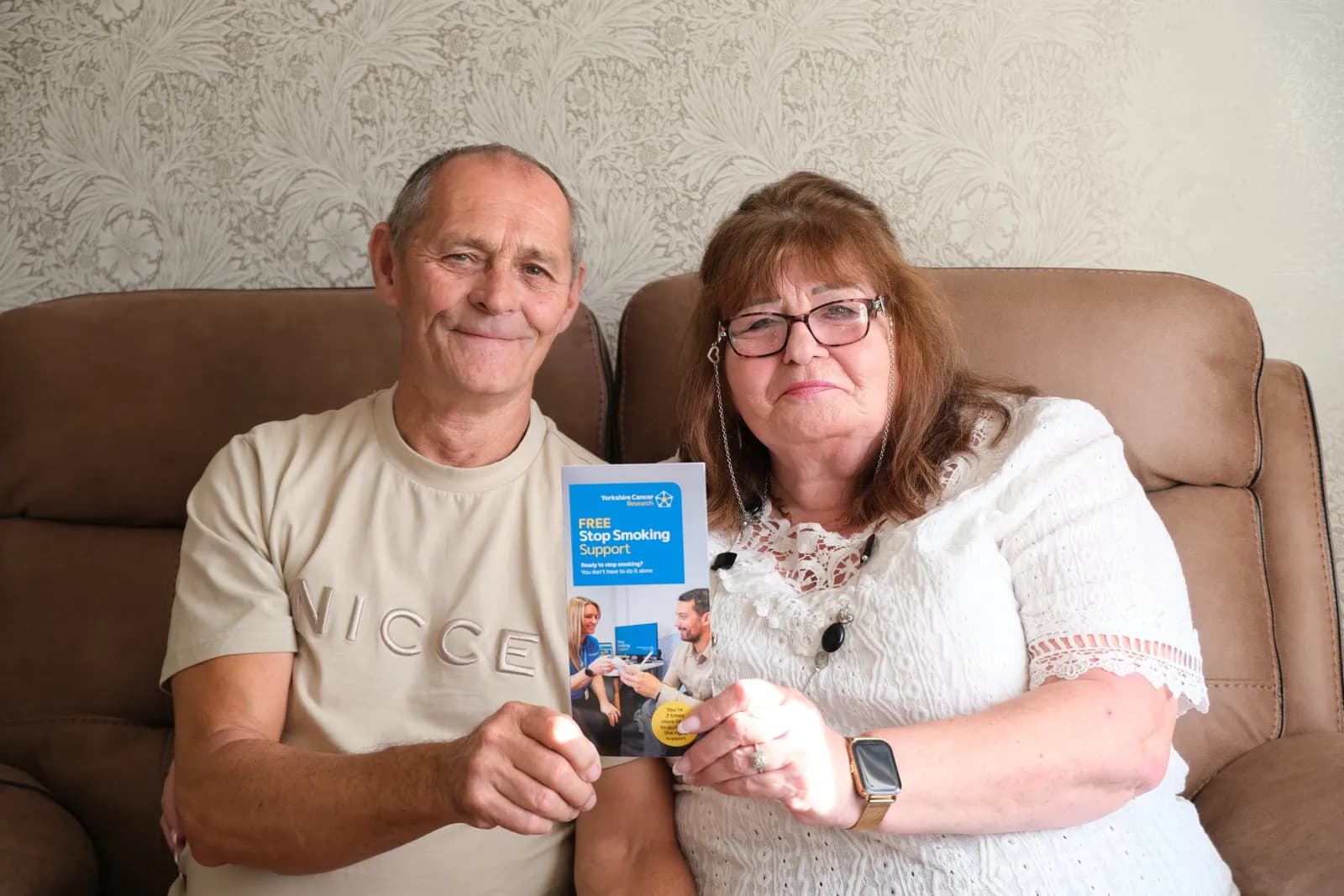
Yorkshire Cancer Research funded the YorQuit study, and grandparents Linda Brown and Terry Osborne are now sharing their experience to highlight the difference this approach can make to people across the region.
New data published this month shows that Hull has the highest smoking rate of anywhere in the country, with 1 in 5 adults who smoke.
About the YorQuit Study
Led by Professor Rachael Murray and delivered by researchers at the University of Nottingham, University of York and Cardiff University, the YorQuit study is a clinical trial investigating the most effective ways to help people quit smoking following a lung health check through the NHS targeted lung cancer screening programme.
Launched in 2024, the YorQuit trial aims to involve around 2,000 people who would like to stop or reduce their smoking by testing different methods to help them quit, including using a digital app, telephone calls from a specialist advisor and offers of incentives. So far, the trial has provided vital support to hundreds of people in Hull.
Researchers hope to identify the most successful stop smoking strategies, helping to shape future NHS policies that can have the greatest impact on reducing cancer risk and saving lives.
Linda and Terry's Story
In January 2026, partners of 30 years Linda and Terry were among those invited to take part in the study after attending a lung health check in Hull. Both had smoked since they were young.
Terry said:
My father and my grandfather were fishermen, and in our community, everyone smoked, whether it was down at the docks, the pub or in the home. I was 12 when I began taking spare papers from my dad's drawer so I could roll my own tobacco. It was just part of growing up.
Smoking and Cancer in Hull
Smoking tobacco remains the largest cause of preventable illness. It contains harmful chemicals which enter the bloodstream and affect the entire body, making it responsible for at least 16 different types of cancer, including lung cancer.
Sadly, more people in Hull are diagnosed with and die from lung cancer than anywhere else in Yorkshire.
The YorQuit study aims to show how combining stop smoking support with lung cancer screening can help address these inequalities. By reaching communities with higher smoking rates, this approach can help ensure those who have an increased risk of developing cancer can access the stop smoking support they need.
Finding the Right Support
For both Linda and Terry, signing up to the study wasn't their first attempt to quit.
Linda explained:
Terry tried for two months in his early 40s and in 2024, I managed to go 51 days smokefree. However, we both had a very hard time with the withdrawal symptoms, and neither of us had access to the right support to keep us going.
Having experienced problems with her health, Linda was immediately interested in taking part in the YorQuit study and Terry was determined to join her.
Linda said:
My coughing used to keep me up at night, and I found it very difficult to clear my throat, no matter how many times I tried. I'd been having trouble with the circulation in my leg, and even had pneumonia, which was really scary.
She added:
But what motivated me more than anything was my grandchildren, Lucas and Lilly. They had been asking us both to quit. Watching them grow up so fast made me realise I wanted to live as long as I could for them.
Research shows people are up to three times more likely to quit for good with specialist behavioural support and stop smoking treatment. Linda and Terry were both assigned to a research group receiving regular telephone support from a dedicated team of stop smoking advisors, alongside access to stop smoking aids. In her group, Linda was also given a voucher designed as an incentive to quit.
Terry said:
I originally started off with nicotine replacement patches, but I didn't quite take to them, so the stop smoking team suggested I try using a vape. It has been very effective. My advisor was absolutely amazing. Having that regular contact from someone who was invested in my health helped me stay focused. The support through the YorQuit trial made such a difference.
Linda said:
The first few days using the vape were challenging, but with the support of the advisor, it did get easier and easier. Both Terry and I started on the highest nicotine dose, and after 13 weeks we went down to the lowest one. Finding the right support and the right treatment was absolutely key.
Charity Support in Yorkshire
Yorkshire Cancer Research funds £6.3 million of stop smoking research and services in the region, which also includes its own free personalised specialist service to help anyone who is looking to quit for good. Since 2015, more than 6,000 people in Yorkshire have successfully quit smoking thanks to research and services funded by the charity.
Dr Stuart Griffiths, Director of Research, Policy and Impact, said:
Sadly, nearly 3,000 people in Yorkshire die from a smoking-related cancer every year. That's why Yorkshire Cancer Research is committed to helping Yorkshire become smokefree. Smoking is an addiction, not a lifestyle choice, and quitting is the single most significant action a person can take for their future health. By finding the best ways to stop smoking and providing vital support services, the charity is helping more people in Yorkshire live longer healthier lives, free of cancer.
Life After Quitting
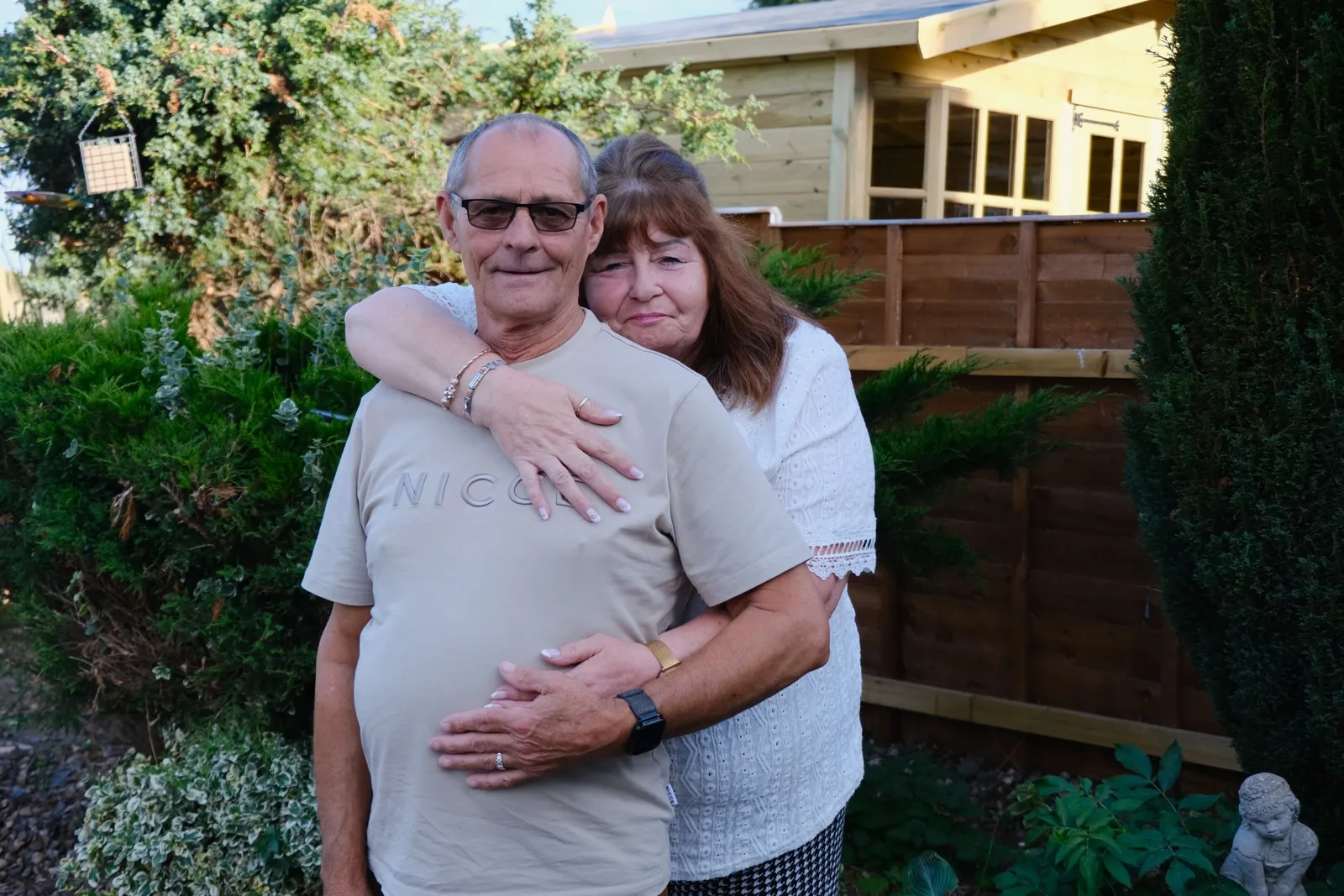
Six months after Linda and Terry stopped smoking, the couple are experiencing many benefits with their health and wellbeing. Happily retired and living in the village of Halsham, East Yorkshire, they spend their time gardening, enjoying family life and making memories with their two grandchildren.
Linda said:
Now I've stopped smoking, I no longer wheeze when I'm going to sleep. I lay down at night and I breathe easy.
She added:
Most importantly, we've helped to reduce our risk of developing cancer. We're both 70 now, so anything we can do to make sure we're healthier for longer is worth it.
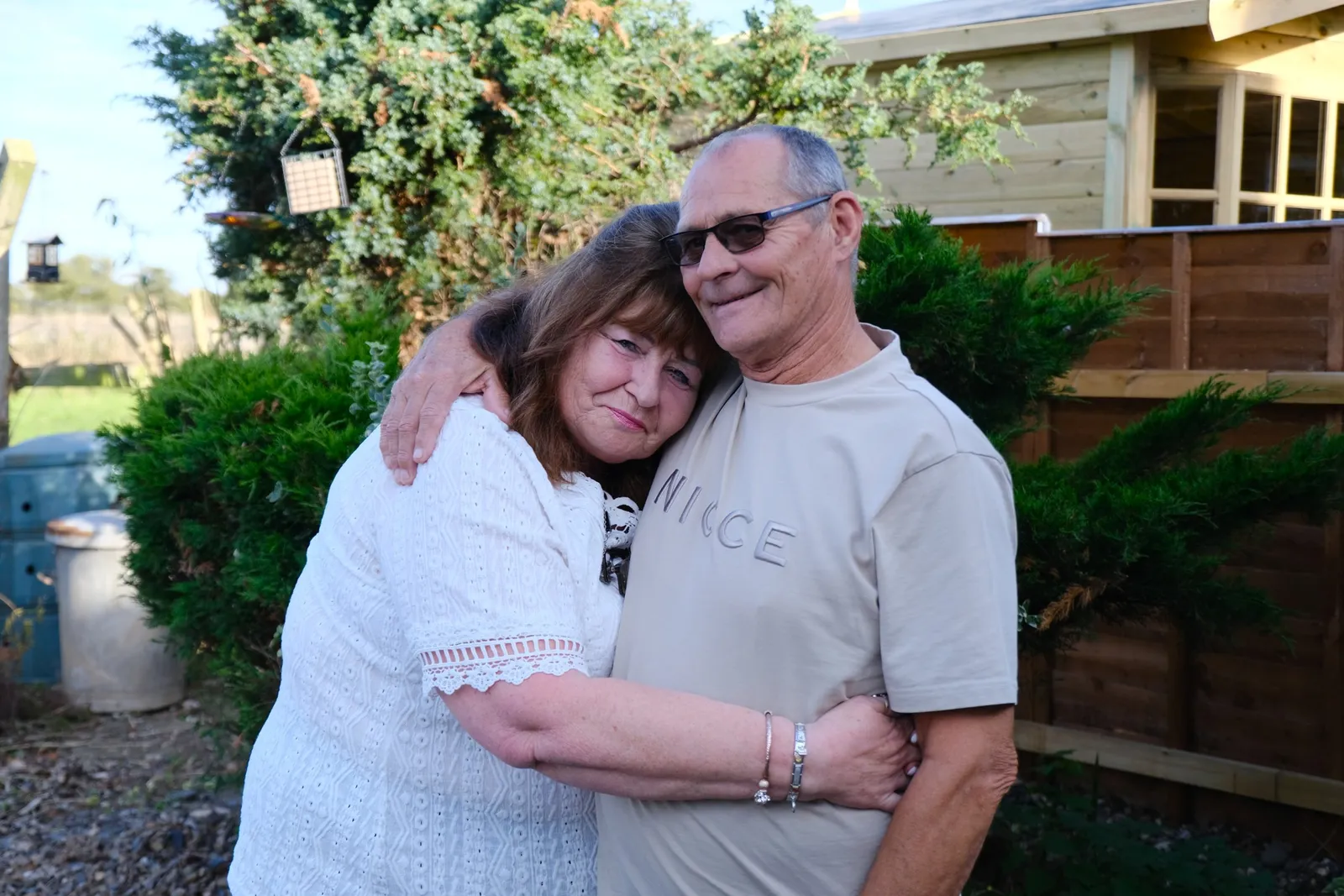
Linda and Terry's achievement has additionally become one celebrated by the whole family. For Lilly, their 14-year-old granddaughter, her grandparents no longer smoking means more happy weekends and trips together.
Lilly said:
I'm really happy my grandpa and grandma have stopped smoking. At school and online, you hear a lot about the dangers of smoking and how it can cause cancer. Knowing they've quit makes me feel so much better.
Terry said:
With my newfound energy, I was able to put up a new shed in the garden with our grandson. Being smokefree is already giving us those lovely days together.
Linda concluded:
Seeing how proud our grandchildren are now we've quit smoking means everything to me. Family is the most important thing to us, and thanks to Yorkshire Cancer Research and the YorQuit stop smoking study, we're going to be able to make more memories together. If you're invited to take part in the study, I'd strongly encourage you to give it a go. We've done something we never imagined to be possible.
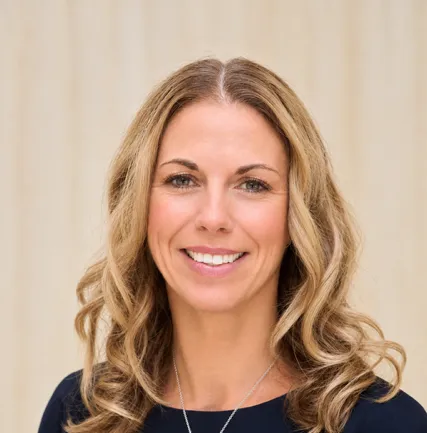
Professor Rachael Murray, Chief Investigator on the YorQuit study, said:
The prevalence of lung cancer in Yorkshire remains far too high, which is why it's so important we make lung screening and stop smoking support an integrated package. As the experiences of Linda and Terry show, if we can provide that high-quality stop smoking support following a lung health check, we can help more people in Yorkshire become smokefree. We're grateful to Yorkshire Cancer Research for funding the YorQuit study and we're excited to continue exploring the best ways to deliver this life-saving support.